
Your Credit Score Matters for Loan Approval
What is the CIBIL Score?
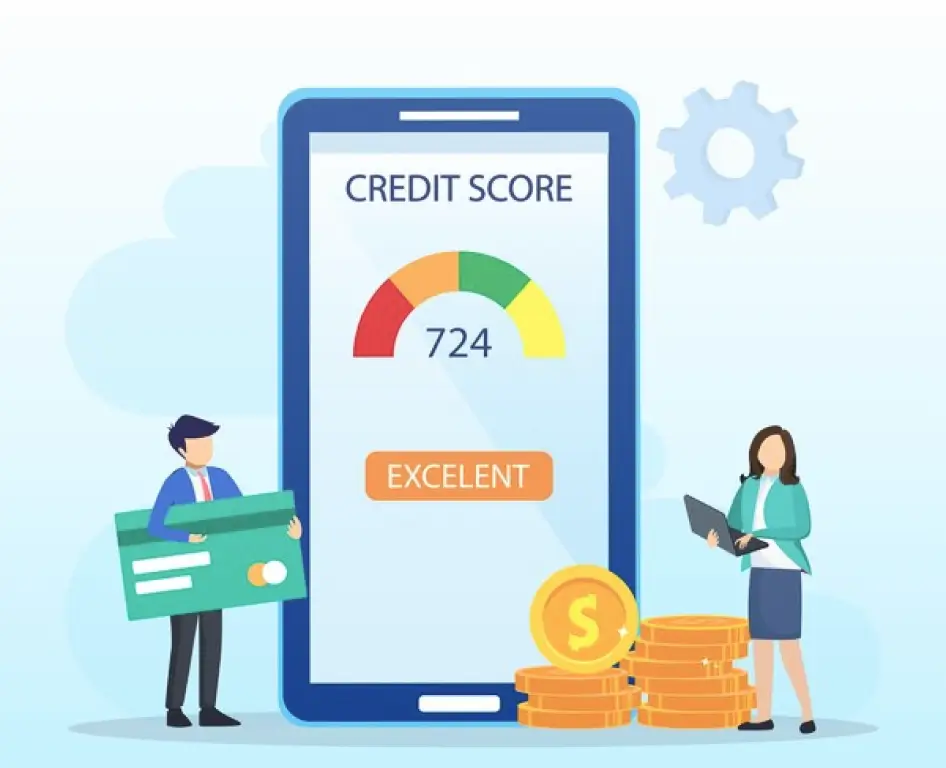
Importance of Checking Your CIBIL Score Online
CIBIL Score Range and What it Means
| CIBIL Score | Creditworthiness | |
|---|---|---|
| 550 and below | Bad | You have a low chance of getting a loan, especially for a high amount. Discipline your finances before applying for a loan. |
| 550 - 649 | Poor | Delayed loan payments reflect the risk of not paying a loan on time. Improve your score by paying previous loans before applying for new ones. |
| 650 - 699 | Average | Loan approval is possible but with higher interest rates and fewer benefits. Improve your score by making timely payments. |
| 700 - 749 | Good | With a good CIBIL Score, your chances of loan approval increase. Further, improve your score to get better interest rates. |
| 750 - 900 | Excellent | This score indicates timely payments. Borrowers with super CIBIL Scores are considered low-risk and can get high loan amounts at attractive interest rates and minimal paperwork. |
Expert Advice and Free Online CIBIL Score Check by PAN Card

Pay On Time
Clear EMIs and bills before the due date to avoid penalties.

Manage Credit Utilisation
Keep credit card utilization below 30% of your limit.

Diversify Credit
Maintain a balance of credit cards and loans.

Use Secured Cards
Good for building or repairing credit history

Keep Old Accounts
Older accounts strengthen your credit history.

Monitor Regularly
Track your CIBIL score and report for errors.

Apply Wisely
Avoid too many loan/credit applications at once.

Seek Guidance
If struggling, get help from credit counselors.
FAQs
A credit score is a 3-digit number (between 300 and 900) calculated by the credit bureau using the credit history of the individual.
Banks and NBFCs (Non-Banking Financial Companies) have to share the credit history of their customers with all four credit bureaus.
The credit history of an individual consists of credit amounts, lender names, loan and credit card limits, loan EMI and credit card bill payment records, any default on a credit card account, personal details, etc.
This may happen due to the following reasons:
- Credit scores from two credit bureaus would be different. There are four RBI-authorized Credit Information Companies (CIC) in India : CRIF Highmark, Experian, Equifax and Transunion (CIBIL). Each Bureau has its own proprietary mechanism to calculate your Credit Score
- Credit scores fetched from the same bureau but on different dates can also differ.
You can build your credit score in 4 steps:
- Use only 50% of your credit card limit a month.
- Pay all your loan-related dues on time.
- Use credit cards regularly based on your requirements.
- Make timely payments of your credit card bills or EMIs.
A credit report is a statement of all the loans and credit card history of an individual reported to a credit agency by lenders—banks & NBFCs. Credit card history is data that has all the information about the current credit status, such as credit card payments, loans, etc.
Having a good credit history gives you the benefit of creditworthiness with helps you to avail loans seamlessly.
Following are the prominent factors you must consider to manage a good credit score:
- Repayments of credit card bills and loan EMIs on time.
- Utilization of credit card limits.
- Duration of credit cards and loan amounts.
- Total number of credit cards and loan amounts.
- Balance between secured and unsecured loans.
- Settlement status of credit cards or loan amounts.